


Understanding Credit Scores
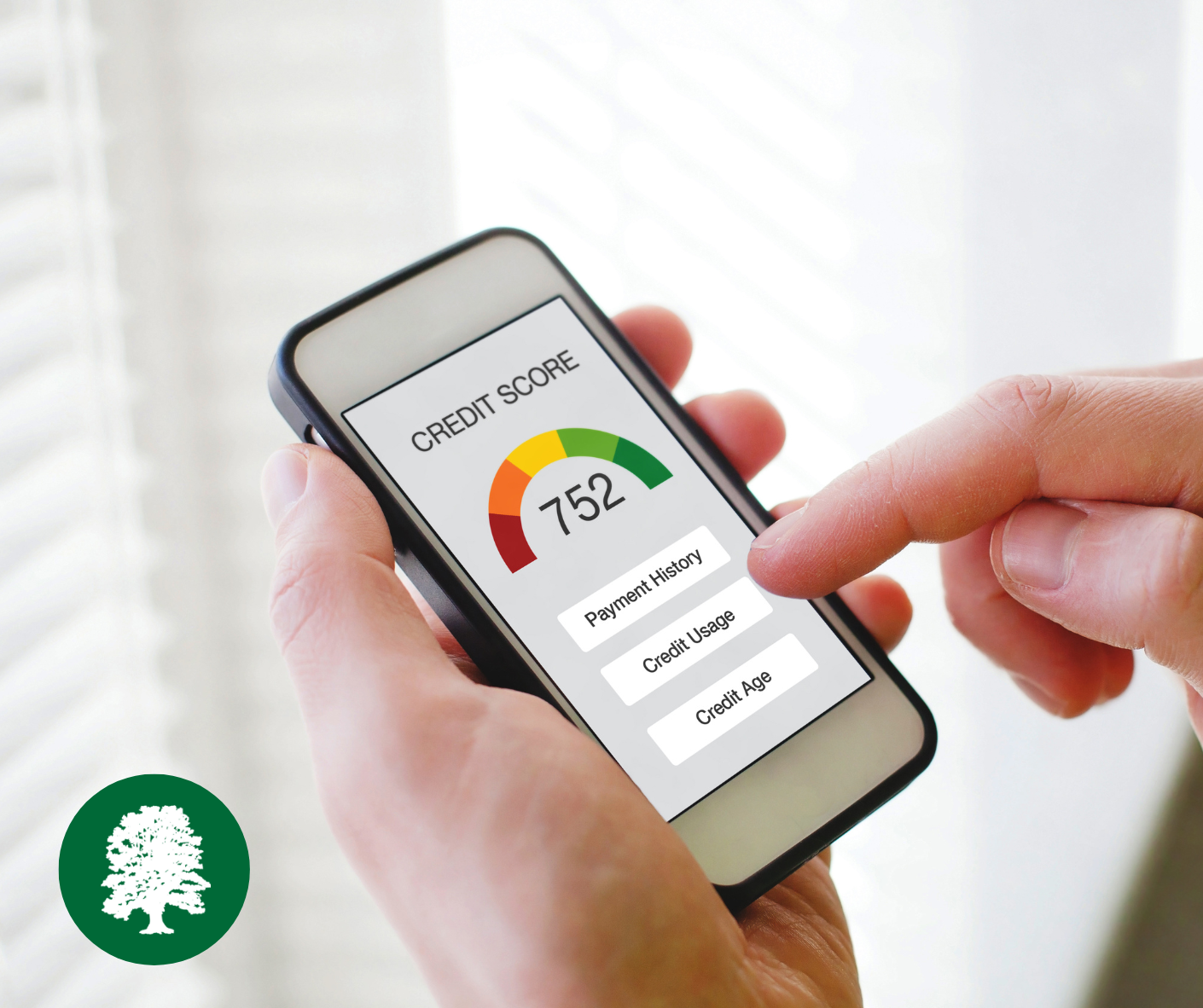
Financial confidence starts with knowledge. Knowing how your credit score works can help you make smarter financial decisions, whether you’re buying a home, financing a vehicle, or simply planning for the future.
A credit score is a three-digit number that reflects how likely you are to repay borrowed money. It’s based on your history of managing credit, including loans, credit cards, and other accounts. Most credit scores fall within the range of 300 to 850. In general, higher scores indicate stronger credit and more financial reliability.
Your credit score can impact many areas of your financial life, including approval for loans and credit cards, interest rates you qualify for, monthly payment amounts, rental applications, and insurance premiums. Even small improvements in your credit score can lead to significant savings over time.
Credit scores are calculated using several key factors. While different scoring models exist, most rely on the same general categories:
1. Payment History (35%)
Payment history is the most important factor in your overall score. Even one late payment can make an impact.
2. Credit Usage (30%)
Credit usage, or credit utilization ratio, measures how much of your available credit you’re using. For example: If you have a $1,000 credit limit and a $300 balance, your utilization is 30 percent. Try to keep utilization below 30 percent and ideally below 10 percent to improve your score.
3. Length of Credit History (15%)
The longer you’ve had credit accounts open, the better. Keeping older accounts open (when managed responsibly) can help your score.
4. Credit Mix (10%)
A healthy mix of credit types such as a credit card, auto loan, or mortgage can improve your score.
5. New Credit Inquiries (10%)
Limit unnecessary credit applications when possible. Applying for several new accounts in a short time can temporarily lower your score.
Improving credit doesn’t happen overnight, but steady habits make a real difference. Whether you’re starting from scratch or trying to raise your score, these steps can help:
• Pay all bills on time
• Keep credit card balances low
• Avoid opening too many new accounts at once
• Review your credit report for errors
• Use credit responsibly over time
A strong credit score isn’t just a number, it’s a tool that can open doors to future opportunities. You can access your credit score from the three credit bureaus at AnnualCreditReport.com. Checking it yourself is a soft inquiry that won’t hurt your credit. If you have questions about your score or next steps, our local banking team is always here to help.